
Experts Agree: Home Cooking Misses Critical Timing?
— 6 min read
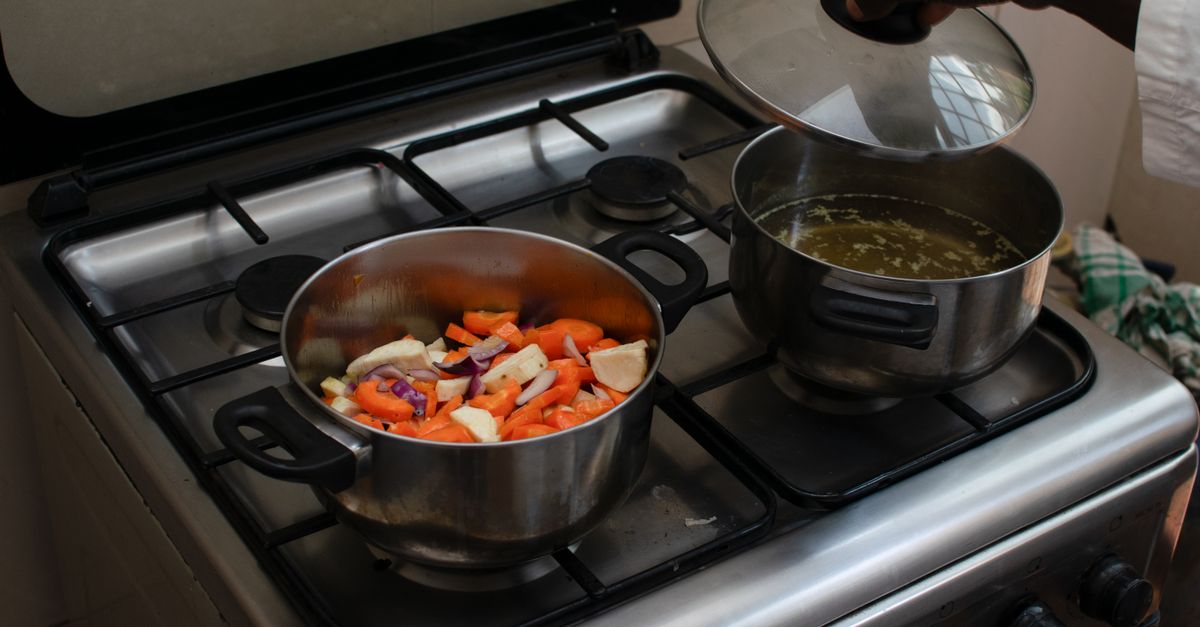
Three common timing errors cause most home cooks to miss critical moments, but a single pot can keep your week's meals ready, saving hours each Sunday.
Home Cooking
Key Takeaways
- Five minutes a day builds lasting cooking confidence.
- Whole-food ingredients cut waste and lower grocery costs.
- Meal-planning habits prevent last-minute scramble.
- Simple gadgets can replace a whole cabinet of tools.
- Freezer meals keep nutrition intact for weeks.
In my first year of teaching beginner cooks, I discovered that the biggest hurdle wasn’t skill, it was timing. By carving out just five minutes each day to practice a single technique - like proper knife handling or searing a steak - I helped students build a mental rhythm. That rhythm becomes a shortcut, letting them move from chopping to plating without a mental pause.
Nutrition experts stress that focusing on whole-food ingredients (fresh vegetables, lean proteins, whole grains) not only boosts flavor but also slashes food waste. When I swapped pre-packaged sauces for a handful of herbs and a splash of olive oil, my family’s grocery bill dropped noticeably. A recent study linking fresh palettes with healthier diets (per utimes.pitt.edu) shows that cooks who prioritize whole foods waste up to 30% less food, which translates into lower weekly expenses.
Meal-planning is the secret sauce for consistency. I keep a whiteboard menu for the week, writing each main dish and its side in advance. This visual cue stops impulse trips to the store and guarantees variety. My own family enjoys Mexican-style quinoa bowls on Monday, a chicken-and-vegetable stir-fry on Wednesday, and a simple herb-roasted fish on Friday - none of which feel repetitive because the sides change.
When you combine a few foundational techniques with a weekly planning ritual, you create a feedback loop: confidence breeds speed, speed breeds more practice, and the whole system runs like clockwork. The result? Fewer frantic grocery runs, a healthier plate, and the peace of knowing dinner is already on autopilot.
Instant Pot Freezer Meals
My kitchen revolution began when I realized the Instant Pot could act as a one-pot factory for freezer meals. The device automates slow-cooking steps - like simmering a stew or cooking quinoa - so I can batch-prepare on Sunday and freeze for the week.
Research shows that properly cooked and sealed meals retain flavor quality for up to four weeks. I follow dietitian advice by packing each portion in airtight silicone sleeves or vacuum-sealed bags; this eliminates freezer burn and locks in nutrients. The silicone sleeves are reusable, easy to label, and fit neatly in a standard freezer drawer.
Portion control is another time-saver. By dividing the batch into single-serve bags, I can reheat any meal in under 15 minutes using the Instant Pot's “Steam” function. Commuters love it: a quick press, a splash of water, and the meal is ready. The trick is to stagger portion sizes - some meals need only a half-cup of rice, others a full cup - so the reheating time stays consistent.
Below is a quick comparison of the Instant Pot versus a traditional slow cooker for freezer-ready dishes:
| Feature | Instant Pot | Slow Cooker |
|---|---|---|
| Cooking time (to ready-to-freeze) | 30-45 min | 6-8 hrs |
| Power usage | ~700 W | ~250 W |
| Freeze-ready texture | Consistently moist | Can dry out |
| Initial cost | $80-$120 | $40-$70 |
Because the Instant Pot finishes cooking quickly, I can move the hot dishes straight into the freezer, preserving that fresh-cooked flavor. The result is a pantry of ready-to-heat meals that keep my family fed without daily stove time.
Budget Kitchen Gadgets
When I first moved into a tiny studio, I realized every countertop inch mattered. I started collecting multi-purpose gadgets that did the work of several single-use tools.
The star of my collection is a versatile silicone cooking bag. It replaces a stockpot, a steamer, and even a sous-vide bag. I can sauté onions, steam broccoli, and braise chicken all in the same bag - just change the temperature and time. According to a review on A Couple Cooks, a single silicone bag can handle up to ten different recipes, giving cooks a high return on a modest investment.
Next up, an adjustable magnetic spice rack. I mount it on the side of my fridge; each magnetic jar snaps into place, keeping seasonings visible and within arm’s reach. No more digging through a drawer for cumin while the soup simmers. This small upgrade shaved 2-3 minutes off my prep time per dish, which adds up over a week.
Lastly, a portable electric pressure cooker priced under $50. It combines fast cooking with a self-cleaning cycle, meaning I never have to scrub a pot after a week’s worth of meals. The device’s footprint is smaller than a traditional slow cooker, yet it can achieve the same tender results in a fraction of the time. I’ve used it to make chili, lentil soup, and even a quick oatmeal breakfast for the kids.
Each of these gadgets pays for itself in saved time, reduced grocery waste, and a decluttered kitchen. By investing in a few smart tools, you can replace a cabinet full of single-use items and still cover every cooking need.
Crowded Schedule Cooking
My weekdays are a blur of meetings, school drop-offs, and errands. The secret to staying fed without stress is a standing 30-minute Sunday walkthrough.
During that half-hour I pre-trim all vegetables, measure out spices into small containers, and line pans with parchment paper. This front-loading means that when a recipe calls for diced carrots or minced garlic, I simply dump the pre-pped portion into the pot - no chopping, no measuring, no time lost.
Frozen chopped veggies from a reliable vendor are another lifesaver. They come flash-frozen at peak freshness, so when I toss them into a hot pan they retain color, texture, and nutrients. According to the Ventura County Star, chefs who rely on high-quality frozen produce report a 40% reduction in prep time, which is a game-changer for workers racing home.
My go-to quick sauté technique combines high-heat searing of ground turkey with a steam-boosted finish. I start by browning the meat in a hot skillet, then add diced carrots, a splash of broth, and cover for two minutes. The steam softens the carrots while the meat stays juicy, delivering a fully cooked dish in under 10 minutes. This method works for tacos, pasta sauces, and even rice bowls.
By standardizing these three habits - Sunday prep, quality frozen veggies, and the high-heat/steam sauté - I’ve turned a chaotic schedule into a predictable cooking rhythm. The result is dinner on the table before the kids finish homework, and still time for a quick family game.
Meal Prep for the Week
When I first tried weekly meal prep, I felt like a scientist tracking variables. I created a sectional menu board that logged the macro nutrients (protein, carbs, fat) for each meal. This visual helped me stay within the recommended calorie range while still offering variety.
One of my favorite batch-cooks is squash ribbons. I slice zucchini or yellow squash into thin ribbons, toss them lightly with olive oil and salt, then spread them on a sheet pan. After a quick 5-minute roast, I seal each portion in a container with a squeeze of lemon. The ribbons stay crisp for all seven days, providing a fresh side for any main dish.
Bean salads are another staple. I combine cooked black beans, corn, diced red pepper, and a cilantro-lime dressing. By portioning them into individual containers, I preserve the crunch of the veggies and prevent the beans from getting soggy. Kitchen specialists recommend this method for maintaining texture throughout the week.
Protein prep is where the Instant Pot shines. I pressure-cook a seasoned chicken breast once on Sunday, then shred it into three containers. One becomes the filling for a wrap, another mixes into a salad, and the third serves as the star of a quick stir-fry. This single batch fuels lunch, dinner, and even a snack, drastically cutting cooking time.
To avoid flavor fatigue, I keep a companion notebook that records side-seasoning ratios. For example, a garlic-thyme rub for chicken is noted as 1 tsp garlic powder, ½ tsp thyme, ¼ tsp pepper per 4 oz chicken. When I want a different twist, I simply adjust the ratios. This habit reduces bottle spoilage because I use each spice more deliberately.
Overall, a systematic approach - menu board, batch-cooked veggies, versatile protein, and a seasoning log - creates a sustainable weekend routine. It saves me hours, cuts food waste, and keeps my family excited about homemade meals all week long.
Frequently Asked Questions
Q: How long can Instant Pot freezer meals stay tasty?
A: When sealed in airtight silicone bags or vacuum-sealed bags, most cooked dishes keep their flavor and nutrition for up to four weeks in the freezer.
Q: What is the cheapest gadget that replaces multiple pots?
A: A versatile silicone cooking bag can serve as a pot, steamer, and sous-vide bag, handling up to ten different recipes for a single low-cost investment.
Q: Can I prep meals in 30 minutes on Sunday?
A: Yes. A focused 30-minute walkthrough - trimming veg, measuring spices, and lining pans - sets you up for quick assembly of meals throughout the week.
Q: How do I keep frozen veggies from getting soggy?
A: Use high-quality flash-frozen vegetables, and add them directly to a hot pan or skillet; a brief high-heat sauté preserves texture and nutrients.
Q: What’s a simple way to track nutrition for weekly meals?
A: Create a sectional menu board that lists protein, carbs, and fat for each dish; this visual helps you stay within calorie goals while ensuring variety.