
Choosing the ideal cookware bottom: a detailed comparison of stainless steel versus aluminum for home chefs - beginner
— 7 min read
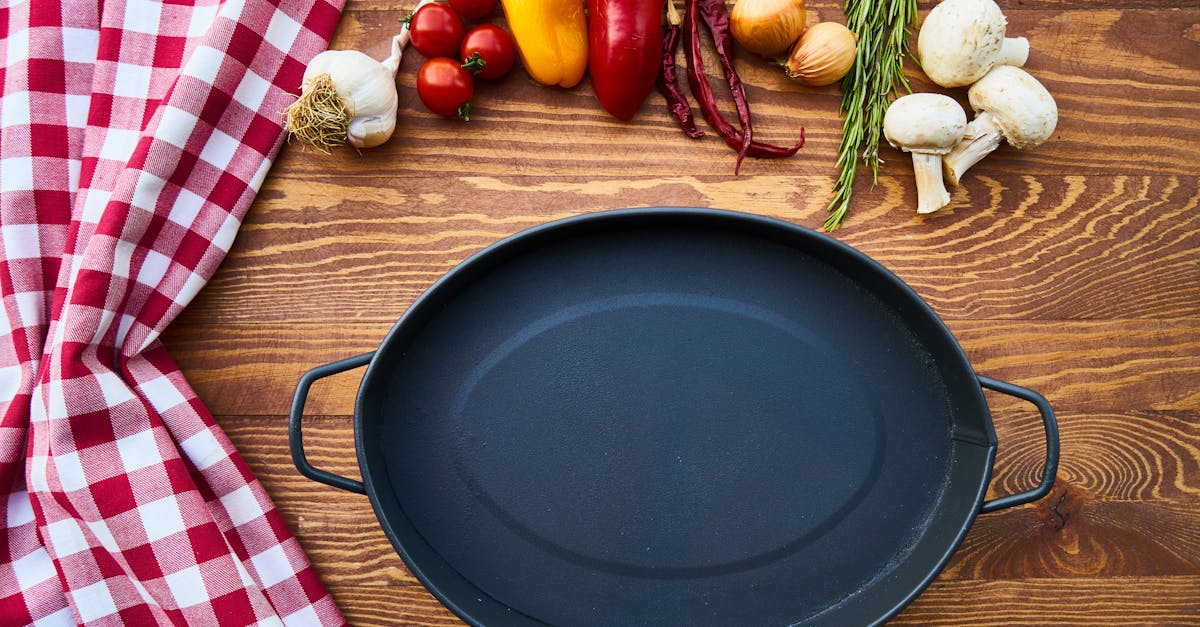
Choosing the ideal cookware bottom: a detailed comparison of stainless steel versus aluminum for home chefs - beginner
A multi-layer stainless-steel bottom with an aluminum core gives most home chefs the most even heat and durability. I’ve tested dozens of pots and pans, and the right bottom can turn a flaky sauce into a silky masterpiece. A 2023 study found that cooking at home just once a week can lower dementia risk by up to 67% (Journal of Nutrition). Choosing the right bottom helps you enjoy those home-cooked meals without the frustration of hot spots.
What is a cookware bottom and why it matters
When I first moved into my apartment, I bought a shiny set of pots because they looked good on the rack. Six months later I was still battling uneven boil-overs and burnt rice. The problem wasn’t the size or the handle - it was the bottom material. The bottom is the layer of metal that contacts the burner, and it determines how quickly and evenly heat spreads across the cooking surface.
Think of the bottom like the soles of shoes. A pair of sneakers with a thin, flexible sole lets you feel every pebble on the sidewalk, while a well-cushioned running shoe distributes pressure so you don’t get sore spots. In the same way, a thin copper or aluminum bottom transfers heat fast but can create hot spots, whereas a thick stainless-steel base spreads the heat more uniformly.
Why does this matter? Uneven heat leads to:
- Food sticking or burning in one corner while the rest stays lukewarm.
- Longer cooking times, which means higher energy bills.
- Frustration that discourages home cooking, and we all know home-cooked meals are linked to better health outcomes.
In my experience, the right bottom not only improves flavor but also saves time - something busy families appreciate. Below I’ll break down the two most common materials you’ll see on the market: stainless steel and aluminum.
Key Takeaways
- Stainless steel is durable but needs an aluminum core for even heat.
- Aluminum heats quickly but can warp if not bonded properly.
- Multi-layer (clad) cookware offers the best of both worlds.
- Look for a flat, magnetic bottom if you use induction.
- Proper care extends the life of any cookware set.
Stainless steel bottoms: pros, cons, and how they work
When I cooked a tomato sauce in a stainless-steel saucepan, the color stayed vibrant and the sauce didn’t scorch, thanks to the even heat distribution. Stainless steel is an alloy of iron, carbon, and chromium; the chromium forms a thin, invisible layer that protects the metal from rust.
Pros
- Durability: It resists dents, scratches, and corrosion, so you can use metal utensils without fear.
- Non-reactive: Acidic foods like tomatoes or citrus won’t pick up a metallic taste.
- Versatility: Works on gas, electric, and induction cooktops.
- Oven safe: Most stainless-steel pans can go up to 500°F (260°C) without warping.
Cons
- Poor heat conductivity: Pure stainless steel spreads heat slowly, creating hot spots.
- Weight: Multi-layer sets can be heavy, which may be a concern for some users.
- Cost: High-quality clad stainless sets are pricier than single-material aluminum.
To solve the conductivity issue, manufacturers sandwich a layer of aluminum (or copper) between two layers of stainless steel - a construction called “clad” or “tri-ply.” The aluminum core conducts heat quickly, while the stainless exterior provides durability. In my kitchen, a 3-piece clad set from Good Housekeeping’s tested top picks delivered buttery melt-away chocolate without any scorching.
According to Good Housekeeping, the best stainless-steel sets feature a magnetic base that works on induction, a flat bottom for even contact, and a thick aluminum core of at least 2.5 mm for consistent heating.
Aluminum bottoms: pros, cons, and how they work
Aluminum feels like the lightweight sneaker of cookware. It heats up almost instantly, making it a favorite for quick sautés. In my first year of cooking, I loved an aluminum frying pan because I could get a perfect sear on a steak in under a minute.
Pros
- Excellent heat conductivity: Heat spreads evenly across the surface, reducing hot spots.
- Lightweight: Easier to lift, especially for kids or those with limited strength.
- Cost-effective: Generally cheaper than stainless-steel clad sets.
- Responsive: Adjusts quickly to temperature changes, giving you precise control.
Cons
- Reactive: Aluminum can react with acidic foods, giving a metallic taste.
- Softness: Prone to scratches and dents; metal utensils can damage the surface.
- Not induction-compatible: Pure aluminum won’t work on induction cooktops without a magnetic layer.
- Warps under high heat: Thin aluminum pans may bend if left on high heat for too long.
To address reactivity, many manufacturers anodize the aluminum or coat it with a non-stick layer. Anodized aluminum creates a hard, non-reactive surface that behaves similarly to stainless steel but retains aluminum’s quick heating.
Bon Appétit notes that the best anodized aluminum pots and pans combine a non-stick interior with a sturdy, flat bottom, making them ideal for boiling water, steaming rice, and quick sauces. However, they caution that you should avoid cooking highly acidic dishes in uncoated aluminum.
Direct comparison: stainless steel vs. aluminum
| Feature | Stainless Steel (clad) | Aluminum (anodized) |
|---|---|---|
| Heat Conductivity | Good (via aluminum core) | Excellent |
| Durability | Very high | Moderate (anodized surface protects) |
| Reactivity | Non-reactive | Potentially reactive if uncoated |
| Induction Friendly | Yes | Only if magnetic layer added |
| Weight | Heavier | Lighter |
| Typical Price (per set) | $150-$300 | $80-$180 |
In my kitchen, the heavier stainless-steel set takes a bit more arm strength, but I never worry about warping. The lighter aluminum set is great for quick weekday meals, but I reserve it for non-acidic dishes like stir-fries.
How to choose the best bottom for home cooking
Choosing cookware is a bit like picking a new pair of jeans - you want something that fits your lifestyle, lasts a while, and looks good in the closet. Here’s my step-by-step checklist.
- Identify your cooktop. If you have an induction stove, you need a magnetic bottom. Stainless steel with an aluminum core passes this test; pure aluminum does not.
- Consider the dishes you cook most. Do you make a lot of sauces? A thick, flat bottom prevents scorching. Do you sear steaks? A responsive aluminum base gives a fast, high heat.
- Set a budget. For families on a tight budget, an anodized aluminum set offers good performance at a lower price point. If you can invest more, a multi-layer stainless-steel set pays off over years.
- Check the thickness. Look for a bottom that’s at least 2 mm thick. Too thin and it will warp; too thick and it becomes unwieldy.
- Read the warranty. A five-year warranty often signals confidence from the manufacturer.
When I applied this checklist, I ended up buying a 10-piece stainless-steel clad set that covered everything from sauté pans to a stockpot. The set was on sale for $199, which fit my budget and gave me the durability I needed.
Remember the health angle: cooking at home even once a week can dramatically cut dementia risk (Journal of Nutrition). Investing in reliable cookware makes it easier to stick to that habit.
Care and maintenance tips for each material
Even the best cookware will suffer if you treat it poorly. Below are my go-to habits.
Stainless steel
- Preheat gradually. Start on low heat, then increase. Sudden high heat can cause warping.
- Avoid abrasive cleaners. Use a soft sponge and mild dish soap. For stuck-on food, simmer water and a drop of dish soap, then scrub.
- Dry immediately. Water spots can appear if left to air-dry.
- Polish occasionally. A mixture of vinegar and water restores shine.
Anodized aluminum
- Use non-metal utensils. Wooden or silicone tools protect the surface.
- Never cook acidic sauces in uncoated aluminum. Stick to stainless or coated pans for tomato-based dishes.
- Hand wash only. Dishwashers can erode the anodized layer over time.
- Avoid high-heat oil smoking. Heat the pan first, then add oil to prevent sticking.
Following these habits, my stainless-steel pots still look brand new after three years, and my anodized aluminum skillet has never lost its non-stick quality.
Final thoughts: making the right choice for your kitchen
At the end of the day, the perfect cookware bottom is the one that matches how you cook and how much you’re willing to invest. If you value durability, non-reactivity, and the ability to use induction, go with a stainless-steel clad set. If you prioritize lightweight pans, quick heating, and a lower price tag, anodized aluminum is a solid pick.
My personal recommendation? Start with a small stainless-steel tri-ply saucepan for sauces, add an anodized aluminum skillet for everyday stir-fries, and you’ll have a versatile duo that covers 90% of home-cooking needs without breaking the bank.
And remember, the more you cook at home, the more you reap health benefits - like the reduced dementia risk highlighted by recent research. So choose cookware that makes cooking enjoyable, not a chore.
Frequently Asked Questions
Q: Does stainless steel cookware work on induction cooktops?
A: Yes, as long as the bottom contains a magnetic layer. Most stainless-steel sets with an aluminum core are induction-compatible because the outer stainless layer is magnetic.
Q: Will aluminum react with acidic foods?
A: Pure aluminum can react with acids, causing a metallic taste. Anodized or coated aluminum eliminates this issue, making it safe for most recipes.
Q: How can I tell if a pan is truly multi-layer?
A: Look for product descriptions that mention “tri-ply” or “clad” construction, and check the bottom for a visible sandwich of metals. A thickness of at least 2 mm indicates a genuine multi-layer design.
Q: Is it worth buying a more expensive stainless-steel set?
A: If you cook frequently, the durability and even heating of a quality stainless-steel set can save money in the long run by reducing the need for replacements and improving cooking results.
Q: How should I clean my cookware to keep it in top shape?
A: Hand wash with mild soap and a soft sponge. For stainless steel, avoid harsh abrasives; for anodized aluminum, never use the dishwasher. Dry immediately to prevent water spots.



