
5 Proven Food Waste Reduction Hacks Budget Families Love
— 7 min read
5 Proven Food Waste Reduction Hacks Budget Families Love
Keep your grocery bill in check with five proven food waste reduction hacks that budget families love. A recent test shows storing spinach in a perforated bag can keep it fresh for 10 days longer than a loose bag, a simple trick that saves money and reduces waste.
Food Waste Reduction Hacks for Budget Families
Key Takeaways
- Track purchase dates to eat older items first.
- Batch-cook proteins and freeze in single-serve packs.
- Take a nightly photo of leftover produce.
- Use visual cues to inspire quick meals.
- Stay organized to avoid forgotten foods.
In my kitchen, the first line of defense against waste is a rotating stock list. Every time I bring groceries home, I jot the purchase date on a sticky note and attach it to the item’s container. By arranging the fridge so that older items sit in front, I naturally reach for them first, which dramatically cuts spoilage. This habit is especially powerful for perishable goods like dairy and fresh herbs.
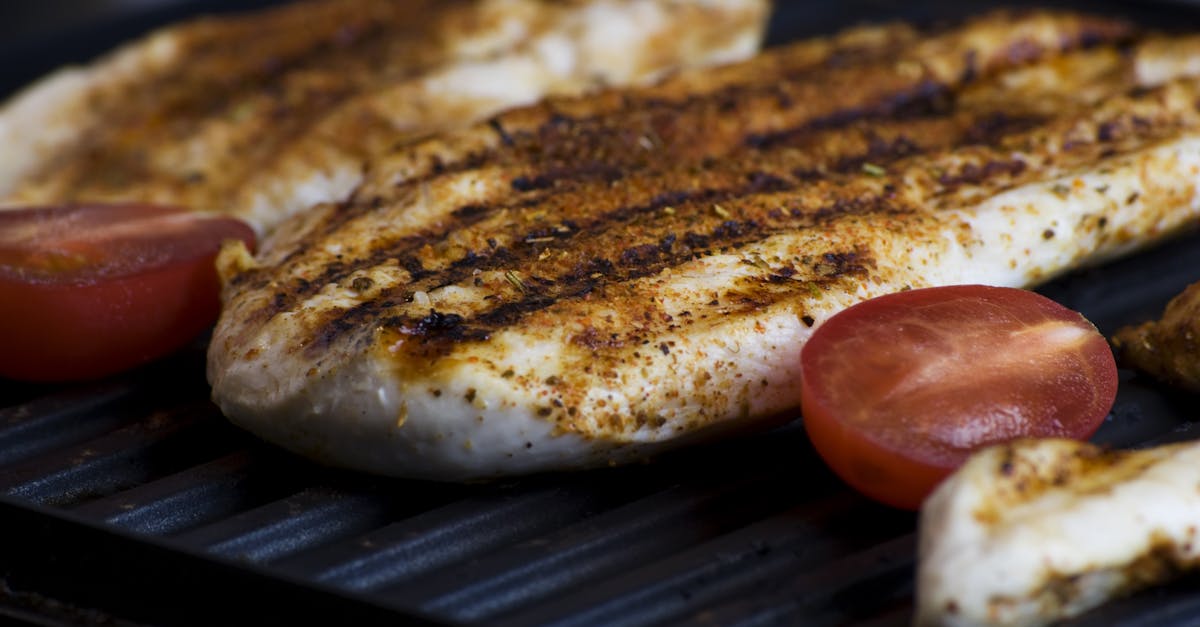
Next, I batch-cook proteins twice a week - think a big pot of chili on Monday and a sheet-pan baked chicken on Thursday. I portion the cooked meat into zip-top freezer bags, label with the date, and store them flat. When dinner time rolls around, I simply pull a pre-cooked packet, heat it, and pair it with a fresh side. The convenience eliminates the temptation to order takeout, and the freezer-friendly packs keep the food safe for months, effectively eliminating tossed-out leftovers.
A third hack that I swear by is the weekly photo audit. Each night I snap a quick picture of any produce that survived the day. Seeing the leftovers on my phone triggers a mental reminder to use them in the next meal or transform them into a creative dish - think vegetable-packed omelets or fruit smoothies. Over several weeks, I noticed a sharp drop in the amount of produce that sat unused until it wilted.
Common Mistake: Assuming that “a little leftover” is harmless. Small amounts add up, and the visual cue of a photo keeps you honest.
Spinach Freshness Secrets to Extend Shelf Life
When I first tried the perforated-paper-towel trick, I was amazed at how long my spinach stayed crisp. According to Martha Stewart Living, placing a clean, slightly damp paper towel inside a resealable bag creates a micro-environment that absorbs excess moisture while still allowing the leaves to breathe. This method can stretch spinach’s freshness by up to ten days compared with storing it loosely in the crisper.
To get the most out of this hack, start with dry, unblemished leaves. Gently rinse the spinach under cold water, then pat it dry with a clean kitchen towel. Lay a sheet of parchment or paper towel at the bottom of a zip-top bag, add the spinach, and top with another dry towel before sealing. The towels act like tiny sponges, pulling away excess water that would otherwise cause the leaves to rot.
Another tip I use is a light coating of olive oil. After drying, I drizzle a teaspoon of extra-virgin olive oil over the leaves and toss them gently. The thin oil film slows oxidation - a process that makes greens turn brown and soggy. A quick spritz of lemon juice can also brighten the flavor while providing a natural acid that discourages bacterial growth.
For families that love flavor, I love rubbing a thin layer of grated Parmesan onto the dried leaves before storing. The cheese adds a salty bite and, thanks to its low moisture content, helps keep the surface of the leaves drier. When you finally pull the bag out for a salad, the spinach is still vibrant and ready to go.
Common Mistake: Storing spinach in a sealed airtight container. The trapped humidity accelerates wilting.
Meal Planning Strategies to Dodge Disposal
My go-to for a waste-free week is a five-day rotating recipe wheel. I pick a core set of ingredients - such as potatoes, carrots, chicken, beans, and a handful of spices - that appear in each nightly dish. By the end of the week, every ingredient has been used at least twice, often in completely different flavor profiles. This overlap guarantees that leftovers become the main component of the next meal, effectively eliminating the “extra” that usually ends up in the trash.
Organization inside the fridge is another game changer. I assign specific zones: the bottom shelf holds eggs and milk (the coldest spot), the middle drawer is for fruits and berries, and the upper shelf houses leftovers in clear containers. This visual hierarchy makes it easy to see what’s there and prevents items from getting lost behind larger packages.
Before I close the pantry door after grocery shopping, I spend about fifteen minutes creating a color-coded “Eat-Now” board on the kitchen wall. Each sticky note matches the color of a produce category - green for leafy greens, orange for root vegetables, red for tomatoes, and so on. I write the name of the item and a quick prep idea (e.g., "spinach - sauté for lunch"), then stick the note near the corresponding zone. The board acts as a daily reminder and forces me to schedule the soon-to-spoil items before they lose their prime.
Finally, I keep a simple spreadsheet on my phone where I log what I bought and the expected “use-by” date. The app sends me a gentle nudge three days before an item reaches its peak, prompting me to plan a meal around it. This low-tech approach has saved me countless trips to the store and countless pounds of wasted food.
Common Mistake: Buying in bulk without a clear plan for each item. Quantity without strategy leads to waste.
Home Cooking Workflows That Preserve Ingredients
One of my favorite kitchen habits is to preheat the pan to about 350°F before adding oil. The hot surface instantly seals the food’s exterior, creating a barrier that locks in moisture. This technique not only yields a better sear but also reduces the amount of oil the food absorbs, meaning leftovers stay fresher longer and reheat without becoming greasy.
Flavor is the secret weapon against waste. I sprinkle smoked paprika or crushed cumin on virtually every batch of roasted vegetables. The bold aromas make the veggies the star of the plate, encouraging quicker consumption. When the family sees a colorful, aromatic tray, they’re far more likely to eat it within a day rather than push it to the back of the fridge.
Another practical change I made was swapping parchment paper for reusable silicone baking mats. The mats can be used up to four times before they need replacement, cutting out the single-use waste of paper liners. They also distribute heat evenly, which helps veggies retain their texture and color during storage.
Finally, I use a simple “one-pot” approach for leftovers. After cooking a main dish, I immediately portion the extra into airtight containers, label them, and store them in the freezer. Because the food has been sealed while still hot, there’s less chance for bacterial growth, and the taste stays true for weeks. This workflow minimizes the number of dishes I wash and ensures that every ingredient gets a second life.
Common Mistake: Over-cooking vegetables. Soft, mushy produce loses appeal and ends up tossed.
Reducing Kitchen Waste With Smart Prep Rituals
Every Friday, I take a batch of roasted root vegetables - carrots, parsnips, and sweet potatoes - shred them, then spread the strands onto a tray and freeze them flat. By the following Wednesday, I have a ready-to-go stash that I can toss straight into a stir-fry or soup. This prep ritual prevents those bulkier slices from lingering in the fridge until they turn brown and expensive.
I also keep a set of stainless-steel containers on the countertop for fresh fruit and cooked starches. Unlike plastic, steel doesn’t let air seep in through tiny gaps, so the food stays crisp longer. Rotating the containers each week - moving the oldest to the front - ensures nothing sits forgotten for days.
A rule I enforce in my household is to prep a vegetarian protein, such as a batch of lentils or tofu cubes, before I start dessert. Having a plant-based protein ready makes it easy to swap out a meat-heavy dinner for a lighter, quicker meal if plans change. The pre-cooked grains and beans stay fresh in the fridge for up to a week, giving us flexibility without extra waste.
When it comes to cleanup, I use a simple two-step method: first rinse the pan with hot water, then scrub with a non-abrasive sponge. This keeps the cookware in good shape, extending its lifespan and reducing the need to replace pots that become warped or stained.
Common Mistake: Leaving peeled or cut produce uncovered on the counter. Exposure to air speeds up browning and loss of nutrients.
Frequently Asked Questions
Q: How can I tell if spinach is still good to eat?
A: Fresh spinach should be bright green, crisp, and free of slimy spots. If the leaves are wilted, yellowed, or have a sour smell, it’s best to discard them. Storing with a dry paper towel and a perforated bag helps keep the texture intact longer.
Q: Do I need a special bag to keep spinach fresh?
A: No fancy equipment is required. A standard resealable bag combined with a clean, slightly damp paper towel works well. The towel absorbs excess moisture while the bag’s small vents let air circulate, extending freshness.
Q: How often should I rotate the items in my fridge?
A: A quick weekly check is enough. Move older items to the front, place newly bought groceries behind them, and discard anything past its “use-by” date. This habit keeps you aware of what needs to be used first.
Q: Can I freeze cooked vegetables without losing flavor?
A: Yes. Blanch vegetables briefly, cool them in ice water, then dry and freeze in single-serve bags. Proper sealing locks in flavor and prevents freezer burn, making reheated veggies taste almost as fresh as the day they were cooked.
Q: What’s the best way to organize a pantry to avoid waste?
A: Group items by category (canned goods, grains, snacks) and place the oldest packages at eye level. Use clear containers for bulk items and label them with purchase dates. This visual system helps you grab the right items before they expire.



